



Episode 450: Know Your Flow: Infection Control
 |
Disclaimer
Viva Learning LLC sites offer content that include opinions, techniques, recommendations, etc. from a variety of writers and speakers that are not necessarily endorsed by Viva Learning LLC, its associates and sponsored Viva Affiliates. Viewers are responsible for verifying the validity, accuracy and relevance of all content before implementing any techniques, products or recommendations into their clinical setting. Viewers understand that Viva Learning LLC, its associates, writers, speakers and sponsored Viva Affiliates are not in any way responsible or liable for any adverse events that may occur (i.e., in a clinical setting or anywhere) based on any information disseminated from Viva Learning LLC sites, including all Viva Learning sites.
The copyrights and other rights to the slides and video contained in a webinar posted on this website are owned by the speaker, Viva Learning LLC, and/or the sponsor company and/or its subsidiaries worldwide. Viewers are only authorized to view the content of the webinar (live and archive) at this Website and are not permitted to screen capture, record and/or download any content displayed in this webinar. You may not make any part of this Website available as part of another web site whether by hyperlink framing on the Internet or otherwise.
The copyrights and other rights to the audio contained in a Viva Podcast are owned by Viva Learning LLC. Viewers are authorized to listen to the content of the podcast and are permitted to download any podcast for personal use only. You may not, however, make any part of this Website available as part of another web site whether by hyperlink framing on the Internet or otherwise.
By signing up for a free webinar and/or podcast you give Viva Learning LLC and/or its Viva Learning Affiliates permission to send you emails alerting you to future CE opportunities and e-learning content.
California State Dental Board Provider Statement
Viva Learning is a registered continuing education provider in the state of CA. Dental Board of CA Provider #RP 5747. Approved through 6/30/2026
Questions regarding our Conditions of Usage, Privacy Policy, or other policy related material can be directed to our support staff by clicking on the "Support" link or you can email us at: support@vivalearning.com.
Approval does not imply acceptance by any regulatory authority or AGD endorsement.
Approval period: 11/1/2025 - 10/31/2029. AGD Provider # 217544
Presenter Information: Dr. Kelly Tanner, PhD, RDH
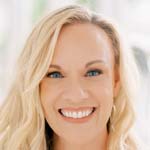 |
Kelly Tanner, PhD, RDH earned her Bachelor of Science in Dental Hygiene and her Master of Science in Dental Hygiene from Old Dominion University. She found a love specializing in management and administration within her Master's degree, and continued her doctoral education at Regent University in Virginia Beach University in Business & Organizational Leadership. Kelly’s Ph.D. focused on organizational metacognition, in-depth study of group dynamics, and how to elicit permanent organizational change. She is also certified John Maxwell Leadership Coach and is also certified in the science of emotional intelligence (EI). Kelly teaches organizations how to leverage their productivity and teams utilizing EI and other customized assessments to make changes that LAST and teams that THRIVE. Through measured assessments and interaction, Kelly can help teams of any size create sustainable systems for personal and professional accountability by increasing ownership and synergy within the organization. Kelly’s proven methods will enhance team interaction, case acceptance, digital adoption, and workflow efficiencies. Tanner has a published chapter in forensic odontology for dental professionals, and also multiple publications in topics regarding telehealth for dental hygienists. Kelly recently published her dissertation titled: Identifying Leadership Development Needs of Dental Hygienists Using an Online Delphi Technique Kelly has served as a mentor, clinician, consultant, researcher, and also as a dental hygiene educator and clinical director. Kelly has served as past president of the Virginia Dental Hygienists’ Association and also as Chair of the ADHA Council for Public Relations. She has been recognized for her outstanding leadership within health care and university settings, and is a recipient of the ADHA and Johnson & Johnson Award for Excellence. Kelly has dedicated her career to leadership, education, and mentoring. She has dedicated her time in the dental hygiene profession to understand to how to empower dental hygienists and transform their possibilities. Kelly's passion is helping individuals connect with their passion, and working to make it a reality. She has the ability to envision and assist individuals with a path and help them intentionally build a path based upon their passion. |
Viva Learning is an approved AGD PACE Provider and California State Dental Board Provider of dental continuing education. Viva Learning strives to deliver balanced, objective and clinically relevant information grounded on scientific research. Lecturers who are invited to deliver Viva CE webinars are advised to substantiate their claims with research-supported data and to disclose all commitments to, or relationships with, any commercial entity within the dental industry. In many cases, lecturers are sponsored by a dental manufacturing company, which provides them with support in the form of honorarium and/or dental products and equipment in order to help with clinical presentations. Prior to each live CE webinar, lecturers are made aware of the importance of delivering their presentations without commercial bias, and where appropriate, to mention a variety of different product choices that may be relevant to the subject matter of the lecture, for the educational benefit of the participant.
Transcript
Welcome to the show. I'm Dr. Phil Klein. Today we'll be discussing infection control and how to
decrease the risk to practitioners and patients. Our guest is Dr. Kelly Tanner,
a visionary leader who helps dental teams achieve personal and career growth.
She lectures extensively and has impacted more than 100,000 people with her speaking engagements.
Before we get started, I would like to thank our sponsor, Action Group. Action is a leader in the
dental industry based on its technical innovations in x-ray and digital imaging,
high-frequency ultrasonic technology, pharmaceuticals, and precision instruments.
So thank you, Action, for your continued support with Viva Learning CE webinars and podcasts.
Dr. Tanner, it's a pleasure to have you back on Dental Talk. Oh, thank you. It's a delight to be
back. Yeah. And for those of you who missed Dr. Tanner's previous podcast, it was on implant
maintenance. And there's some really good points that she covered regarding the various devices,
equipment, techniques, and protocol that all dental hygienists should be considering when treating
patients that have implants. Very important topic. So getting to infection control. How has the
pandemic changed the way you approach infection control when practicing? Once you take microbiology
class, I think that everyone here listening to this, like once you see it, you can't unsee exactly
what's floating around, what's on surfaces. And truly how I've rethought about it is when the
pandemic occurred, the most important thing that stuck with me is, oh my gosh, this is exactly what
we were taught. in dental hygiene school. And I need to go back to the way that it was being done
because that's what was tested. That's what was proven. And it passed the litmus test back then.
And so why wouldn't it even be passing now? So rethinking, okay, what did I learn?
What do I know? And then how do I go to reintroduce that into what it is I'm doing?
Because I think that we have this habit. And I think that maybe I'm talking to you if you're
listening to this. You know, we don't think that we get cavities. We think that we're immune to
them. We don't think that we need to floss all the time like we tell our patients. And I think also
we think that we're somewhat immune to some of the aerosols and things that we're spinning in the
air and we're not. And so we need to get back to the original way that it was taught to us and to
rethink what it is we're doing to produce those aerosols and to also keep our patients safe. Yeah,
that point you made about taking microbiology is so true. Based on the education we get in dental
school, hygiene school, and college or wherever you are where you take science classes, the reality
is you can't see these bugs and they survive for long periods of time and they transfer from one
surface to another. And washing hands is so important. We do so much stuff on Viva Learning on hand
hygiene. Hand hygiene is just so critical. And I know that everyone is probably so over listening
to some of this topic. There's some big gaps in what we're still not doing. For instance, this is
something I teach at a dental hygiene program that I started at 12 years ago in Virginia and
cleaning and disinfecting our operatory with latex gloves on. and not using our utility gloves.
Those gloves are not meant for disinfecting the operatory because it's a permeable material.
So it affects our kidneys. And are we truly protecting ourselves in that way? It's the little
things that we're not following. And so we need to go back to our guidelines. Take a course,
you guys. There's so many out now. There's some great folks, very engaging speakers speaking on
these topics. And while it seems like Charlie Brown, wah, wah, wah, wah. It's about the guidelines.
The guidelines are in place for a reason to protect us, our, I mean,
a lot of things, right? Our patients, the families of our patients, our families. And so also to
what I have been leaning into since the pandemic and even before, because. Gosh knows if you guys
have been in the profession, the whole holding the suction to try to reduce aerosols. And as a
hygienist, I'm not really good at the high evacuator tip. I mean, I will suck a tongue up in a
second, even though as a dental assistant, I know it's physics, but looking at devices that reduce
or eliminate aerosols, things like the Zyrus Isovac or the Zyrus Isolite,
and then also to the ultrasonic that you're using and the type of, not just the type,
but the quantity of. water and irrigation that you're using? And how are you managing that?
And of course, just filters and all of that, but what is it that you're doing that you can prevent
just by what it is that you're introducing into the environment? What do you see as the most common
drawback in a dental office where the highest risk occurs as far as spreading disease?
People are following the rules. It's the little things, the cross-contamination between the
patients. Think about what you're touching, first of all, okay? So I'm a coach. I work chair side
in offices. I do a lot with workflows, implementing technology, getting the team to value,
not getting them to, but having them understand why it helps them, creating that value, and then
helping them work through that. The things that they're doing to touch, they'll touch one surface,
they'll put their gloves in someone's mouth, then touch their loops, their loop string. It's just,
it's cross-contamination all the time. And it's so natural that they're not thinking about it
because when, I know that when I left dental hygiene school and that when my students leave dental
hygiene school, they no longer have us there to say, eh. You just touch that, take your gloves off,
that's 10 points off. That's cross-contamination. That's infection control violation. Yeah, so
it's a behavioral thing. It really is. When you have a doctor who does surgery all day, there's
such tight protocol. When they're scrubbed down and they do their procedures, no one's touching
anything else other than what they need to do. for the surgical procedure. And all the disinfection
that takes place beforehand, when they're scrubbed, it becomes a behavioral systematic approach
toward good infection control protocol. And if you don't have that repeatedly in your brain to do
this the right way, you stray. And when you stray off, that's where the issues occur. That's always
the weakest point. That's where we get the spread of disease. So when we talk about spreading
disease between patients, what can clinicians do to reduce the risk? of cross-contamination
between those patients that are coming to see you. Right. It's, of course, proper sterilization.
And I'm not sure how many of you all are keeping a sterilization log. I'm sure that you all are
because we're rule followers, right? There is a company that's called Sterilog that I have learned
more about this year that's amazing, that automates all of that. So I think it's Sterilog.com that
you can go to that eliminates any human error. because as fast as environments and reduced
workforces that we've had that's one that's one way to make sure that everything is tightened up
and buttoned up on your infection control and then you know again back to the point of thinking
about what you're touching because that's cross-contamination between patients and then Think
about elimination of aerosols, which we talked about in terms of I use it. I like to use a piezo
because it uses less water or whatever type of medicament that's in the chamber.
It's like 50% less water. So I'm not creating those aerosols that are going into the air.
And then also, of course. decontaminating your dental water unit lines that's a huge one the things
that we've learned about in the last two years because that in itself is spreading infection and
then two i don't know if you guys know about this or not okay but hear me out. Have you ever
researched, if you go online, like if you're driving, don't go online, but the air water syringe
tip, the bio burden, like a non-disposable tip risk, and then you will see all of this bio burden
that accumulates on the inside of that air water syringe tip over time. And I'm going to let you
decide what you should do with your tip. So what I have discovered in the last two years as well,
there is this disposable tip. Not only is it disposable as in what I just stated,
but it also keeps the air and the water separate while you are working.
It keeps your dry field. And also too, it makes it so the tip doesn't projectile,
it locks in. So there's like a little adapter that goes with the tip. And it makes it so when you
press the air or the water, the air water syringe tip doesn't go flying. And it's always seated
exactly how you want it to. So this tip, it's disposable. It locks in so it's staying where it's
supposed to. And also, too, when you're working in a procedure and doctors, you know that the
highest failure rate is when you have moisture control issues with composite bond or something
you're bonding. Your water is separate from your air. Your air is separate from the water. You're
not getting those spittles. of that contamination in your procedure either. So these,
I think, they're the little things that lead up to the big things in our efficiency and our
workflow, and they're truly helpful. Where are those tips available? So risk control, it's funny
the way it's spelled. So risk is R-I-S-K, and then it's the K is used on the control.
Risk control, all one word, one K in the middle. And they are available through Action as well. The
reason why I keep bringing Action up, they do such a good job at workflow, and they do a really
good job at... paying attention to what the operator is needing, what this patient's needing,
that's thinking forward on that workflow, reducing contaminants so it makes your job easier.
It's protecting you and the patient. As we wrap up this podcast, Dr. Tanner, tell our audience
about your training program, Know Your Flow. Know Your Flow program is about different devices that
you can use, and it's not specific to one manufacturer. I think it's always fair to bring in other
things, and I can only speak from, of course, my own personal experience, but it's what we're using
in that decision-making every day that we know are the primary tools that we're going to utilize
for every day. type of patient that we can think of. What's going to be the commonality between the
devices that we're choosing? You know, how's it going to benefit every patient? And then how it's
increasing our efficiency, how it's increasing our value that we're providing and taking that
ergonomic burden, you know, making sure we're staying in that. correct posture. So it's not
pulling, not creating any extra forces on us throughout the day. And so it's protecting us,
protecting the patient, protecting your standard of care. And so that's what I'm, when I go
shopping for things and talk to hygienists. And doctors, because hygienists have a lot of input
also on the purchasing and the practices. What is it that's going to make your life easier based on
what you know? Okay, have you looked at everything? Have you looked at every piezo? Have you, do
you know the manufacturers that are involved? So give them three choices to say, okay, based on
this, what is it? Who is it that you need to visit at this meeting or who you need to contact? Get
that information. Say, okay, I want to try this out. Some will actually come in to give you a demo
unit. They'll let you use it for a week or two to see if you love it. If you don't love it, you get
to try something else. So I encourage for folks to. Use these devices, figure out what's going to
work for you. And so when we talk about know your flow, think about all the different steps that we
do. I know in dental hygiene, it's assess, diagnose, implement, plan, evaluate to make sure that
it's what we've done, what we did, what we think that we did is what we actually did and how that's
setting up that patient for success. So what in your workflow system that you're using makes it
easy for you is a no brainer to just create those habits of standardization.
throughout your practice, throughout every single appointment time and every single patient. Yeah,
very well said. And so important to make the right purchasing decision. And listen, the information
is out there. You can Google it, but then you're not really talking to someone that has the
experience and that potentially has already made that mistake that you don't want to make. You want
to keep your inventory low, right? You don't want to clutter up your office with things that you're
not going to use or that doesn't improve efficiency in your workflow. What is your website so our
audience can check it out? Absolutely. It's drkellytanner.com. And I also own Next Level Dental
Hygiene as well. So I'm a speaker. We have also online classes available for a variety of topics,
not just for dental hygienists, but also for teams and leadership. That's what my background is in
behavioral change and also leadership and drawing you to make the right decisions for your
patients. Thank you so much. And we'll see you on the next podcast. Thank you so much. My pleasure.
 Episode 719. Investing in Ergonomics: A Win for Hygienists, Dentists, and Patients
11/10/2025 - CE Credits: 0.5 CEU (Take Exam)
Episode 663. CBCT, AI, and Implant Success: Insights from Dr. Steven Vorholt
4/28/2025 - CE Credits: 0.75 CEU (Take Exam)
Episode 520. Oral Surgery Simplified with Piezo Technology
12/18/2023 - CE Credits: 0.25 CEU (Take Exam)
Episode 456. Clear Aligners in General Practice: Ortho First and Then Do Great Things
2/27/2023 - CE Credits: 0.25 CEU (Take Exam)
Episode 414. Dental Office Simplicity with Workflow Efficiency
9/15/2022 - CE Credits: 0.25 CEU (Take Exam)
Episode 365. Curiosity is the New Superpower for Career Fulfillment
2/3/2022 - CE Credits: 0.25 CEU (Take Exam)
Episode 364. Business Systems for Success and Insurance Freedom
1/26/2022 - CE Credits: 0.25 CEU (Take Exam)
Episode 318. Do-It-Yourself Clear Aligner Orthodontic Revolution: What you need to Know to Compete and Thrive
8/16/2021 - CE Credits: 0.25 CEU (Take Exam)
Episode 298. Navigating the chaotic world of composites!
6/2/2021 - CE Credits: 0.25 CEU (Take Exam)
Episode 286. Part 3: Infection Control During and After COVID-19
4/12/2021 - CE Credits: 0.5 CEU (Take Exam)
Episode 283. Part 2: Infection Control During and After COVID-19
3/29/2021 - CE Credits: 0.5 CEU (Take Exam)
Episode 281. Part 1: Infection Control During and After COVID-19
3/16/2021 - CE Credits: 0.5 CEU (Take Exam)
Episode 274. Predictable Marketing Results in Unpredictable Times
2/8/2021 - CE Credits: 0.25 CEU (Take Exam)
Episode 269. Insight from a Visionary: A Chat with Stanley Bergman, CEO of Henry Schein
1/12/2021 - CE Credits: 0 CEU
Episode 259. Too Much Month Left at the End of your Money?
11/27/2020 - CE Credits: 0.25 CEU (Take Exam)
Episode 258. Techniques for Creating Functional Provisionals
11/16/2020 - CE Credits: 0.25 CEU (Take Exam)
Episode 244. Maximizing Chair Time: 3 Reasons CBCT is the Key for the GP
9/11/2020 - CE Credits: 0.25 CEU (Take Exam)
Episode 243. Our Practice is Now All Digital: It's A Total Game Changer
9/10/2020 - CE Credits: 0 CEU
Episode 240. Aerosol Management – A primary Concern During COVID-19
8/25/2020 - CE Credits: 0.25 CEU (Take Exam)
Episode 235. Mouth-Body Connection: How Dentists and Physicians Can Work Together
8/11/2020 - CE Credits: 0.25 CEU (Take Exam)
Episode 233. Dealing with a Pandemic: It Starts with Leadership and Regular Team Communication
7/7/2020 - CE Credits: 0.5 CEU (Take Exam)
Episode 232. Communicating the "New Normal" to Our Patients
7/7/2020 - CE Credits: 0.5 CEU (Take Exam)
Episode 231. Everyday Dentistry in the Shadow of COVID-19: Practical Ways to Make Our Office Safe
7/7/2020 - CE Credits: 0.5 CEU (Take Exam)
Episode 229. Marketing Your Infection Control Protocol During COVID-19
6/18/2020 - CE Credits: 0.5 CEU (Take Exam)
Episode 202. Fear of Change Holds Some Orthodontists in the Past
4/2/2020 - CE Credits: 0.25 CEU (Take Exam)
Episode 197. COVID-19: National Health Emergency with a Don’t Panic...Plan Approach
3/17/2020 - CE Credits: 0.25 CEU (Take Exam)
Episode 196. COVID-19: Healthcare Facilities can Be Mindful & Proactive
3/17/2020 - CE Credits: 0.25 CEU (Take Exam)
Episode 186. The Oral Systemic Link: What's All the Fuss About?
1/13/2020 - CE Credits: 0.25 CEU (Take Exam)
Episode 164. Optimize Your Nitrous Oxide / Oxygen Delivery
10/31/2019 - CE Credits: 0.25 CEU (Take Exam)
Episode 163. Strategies to Identify and Manage Patient Fear and Anxiety
10/31/2019 - CE Credits: 0.25 CEU (Take Exam)
Episode 156. Benchmarking Your Profit and Loss Statement
10/14/2019 - CE Credits: 0.25 CEU (Take Exam)
Episode 155. The Profit and Loss Statement: Does it Matter?
10/14/2019 - CE Credits: 0.25 CEU (Take Exam)
Episode 149. Keep It Clean: Dental Unit Water Line Monitoring and Shocking
9/27/2019 - CE Credits: 0.25 CEU (Take Exam)
Episode 128. Implant Dentistry: Invaluable Tips from a Periodontist
8/13/2019 - CE Credits: 0.5 CEU (Take Exam)
Episode 127. Implant Placement: A Mental Preparedness Checklist
8/13/2019 - CE Credits: 0.5 CEU (Take Exam)
Episode 121. Hemostasis Considerations for GP Surgical Procedures
7/29/2019 - CE Credits: 0.25 CEU (Take Exam)
Episode 107. Ultrasonic Bone Surgery Utilizing Piezotome CUBE technology
6/26/2019 - CE Credits: 0 CEU
Episode 104. Digital impressions: Our Dental Smart Phone
6/19/2019 - CE Credits: 0.25 CEU (Take Exam)
Episode 101. FastTrak: Accelerate Success of Your Practice
6/11/2019 - CE Credits: 0.25 CEU (Take Exam)
Episode 81. Four Generations Practicing Together: How Do We All Get Along?
4/24/2019 - CE Credits: 0.25 CEU (Take Exam)
Episode 70. Disinfectant Wipes – Using them Effectively
3/11/2019 - CE Credits: 0.25 CEU (Take Exam)
Episode 55. Alveolar Requirements for Successful Long-term Dental Implants
2/6/2019 - CE Credits: 0.25 CEU (Take Exam)
Episode 53. Transitioning Your Practice for Implant Therapy
1/30/2019 - CE Credits: 0.25 CEU (Take Exam)
Episode 52. Managing Dental Disease and Preserving Tooth Structure in All Ages of the Population
1/23/2019 - CE Credits: 0.25 CEU (Take Exam)
Episode 51. Techniques for Pink and White Composite Restorations
1/23/2019 - CE Credits: 0.25 CEU (Take Exam)
Episode 50. Shade Selection and Aesthetic Observation: The Precursor to Natural Aesthetics
1/23/2019 - CE Credits: 0.25 CEU (Take Exam)
Episode 49. Understanding the Basics of Bulk Fill Composites
1/23/2019 - CE Credits: 0.25 CEU (Take Exam)
Episode 47. Putting New Caries Management Technique Options Into Practice
1/9/2019 - CE Credits: 0.5 CEU (Take Exam)
Episode 46. Dietary Considerations: Plant-derived & Food-derived Cariostatic Agents
1/9/2019 - CE Credits: 0.25 CEU (Take Exam)
Episode 35. Maximizing Workflow Efficiencies in the Dental Practice
11/16/2018 - CE Credits: 0.25 CEU (Take Exam)
Episode 30. Making Whitening a Success for Your Patients and Practice
10/21/2018 - CE Credits: 0.25 CEU (Take Exam)
Episode 27. Laser Safety Considerations with Laser Utilization
10/1/2018 - CE Credits: 0.25 CEU (Take Exam)
Episode 26. Considerations for Implementing Lasers into your Practice
10/1/2018 - CE Credits: 0.25 CEU (Take Exam)
Episode 20. Infection Control Considerations: Sterilization Pouches and What You Need to Know
9/21/2018 - CE Credits: 0 CEU
Episode 18. Infection Control Considerations: Evacuation Line Health Risk is Real
9/21/2018 - CE Credits: 0 CEU
Episode 17. Cybersecurity: What is Patch Management and Why is it Important?
9/21/2018 - CE Credits: 0.25 CEU (Take Exam)
Episode 16. HIPAA Compliance and Risk Assessment: What is a HIPAA Compliant Backup and How is it Set Up?
9/21/2018 - CE Credits: 0.25 CEU (Take Exam)
Episode 15. HIPAA Compliance and Risk Assessment: The Top 10 Things to Get HIPAA Compliant
9/21/2018 - CE Credits: 0.25 CEU (Take Exam)
Episode 14. HIPAA Compliance and Risk Assessment: What Is a Risk Assessment and Why Is It Important?
9/21/2018 - CE Credits: 0.25 CEU (Take Exam)
Episode 13. Cybersecurity: What Steps You Need to Take If You Become Aware of a Data Breach
9/21/2018 - CE Credits: 0.25 CEU (Take Exam)
Episode 12. Cybersecurity: What Are the Most Important Steps to Take to Become Secure
9/21/2018 - CE Credits: 0.25 CEU (Take Exam)
Episode 11. Cybersecurity: How to Know If You've Been Compromised
9/21/2018 - CE Credits: 0.25 CEU (Take Exam)
Episode 10. Cybersecurity: What is Cybersecurity and Why it is Important
9/21/2018 - CE Credits: 0.25 CEU (Take Exam)